Oil Plunges 5% as US-Iran Peace Deal Nears — What It Means for Markets
wealthvista.top Editorial · May 25, 2026 · 6 min read
Executive Summary
Oil markets took a hit Monday as talks between the US and Iran moved closer to a deal that would reopen the Strait of Hormuz — the chokepoint that carries about a fifth of the world’s oil and LNG shipments. Brent fell 4.9% to $98.50 a barrel, its lowest in more than two weeks. Across the Atlantic, the Federal Reserve’s April meeting minutes revealed a central bank growing more worried about inflation and more open to raising rates — a hawkish signal complicated by the fact that Kevin Warsh, the incoming chair, faces a president who wants the exact opposite. US equity and bond markets were closed for Memorial Day, but global stocks heading into the week were still near record levels.
US-Iran Deal Optimism Sends Oil Tumbling
The biggest single market mover on Monday was oil — and it moved sharply lower.
Brent crude futures fell $5.04, or 4.9%, to $98.50 a barrel by mid-morning London time. WTI futures dropped $4.82, or 5%, to $91.78. Both contracts traded at their lowest levels since May 7. The trigger: a weekend of signals that US-Iran peace talks are in their final stages, with Trump saying Saturday that Washington and Tehran had “largely negotiated” an understanding to reopen the Strait of Hormuz, which has been under blockade since the US-Israel conflict with Iran escalated.
The deal isn’t done. Trump told his representatives Sunday not to rush. Iran’s foreign minister was in Doha on Monday meeting Qatar’s prime minister — progress, but not a breakthrough yet. Several difficult issues remain, including the terms under which the blockade lifts. Still, the direction is clear enough that markets priced in a meaningful reduction in supply risk.
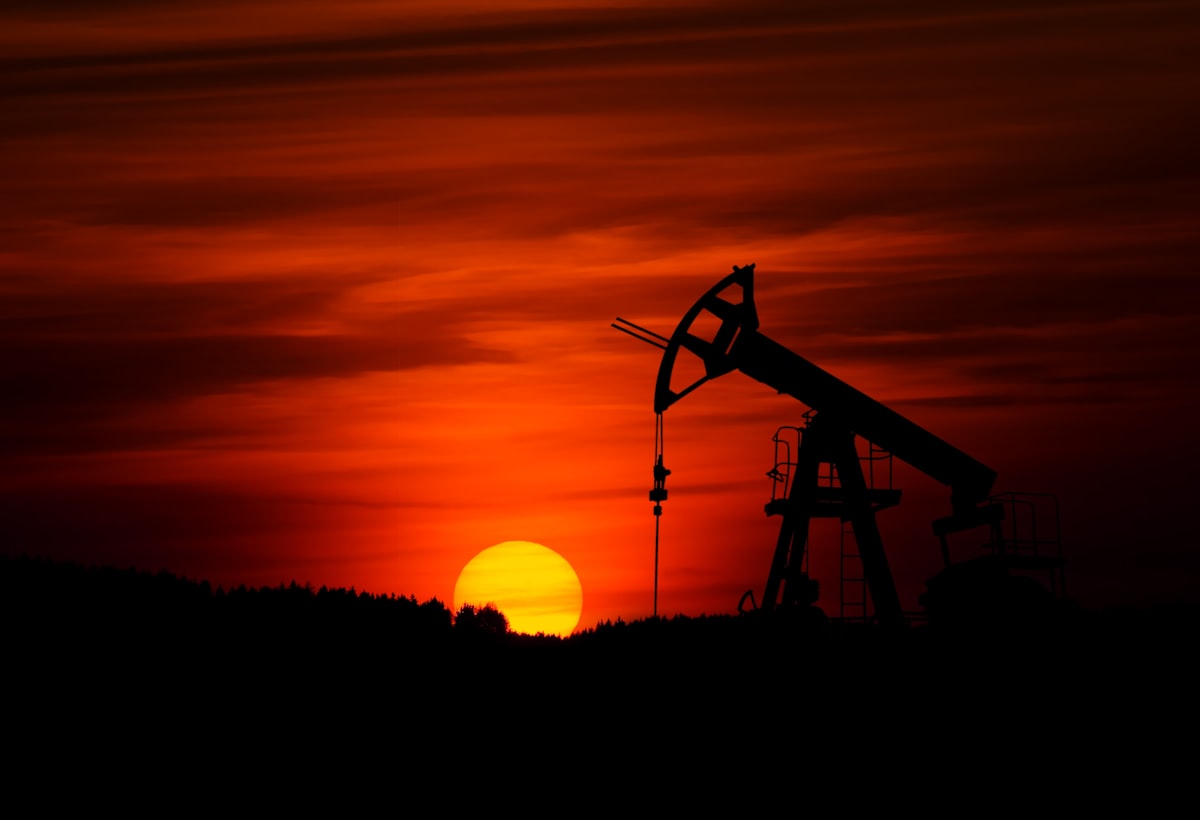 Image source: Unsplash
“Underlying supply shortfall of 10-11 million barrels per day does not go away immediately,” said Sparta Commodities analyst June Goh. “Markets will still be drawing inventories until Middle Eastern crude production is back online, which is months away.” UBS analyst Giovanni Staunovo noted that physical flows through the Strait remain restricted and that any normalization will take time even after a deal is signed. Two LNG tankers were already observed exiting the strait Monday, heading to Pakistan and China — a sign that some early easing is underway.
US energy companies, responding to the recent period of elevated prices, added oil and natural gas rigs for the fifth consecutive week, Baker Hughes reported. The rig count rose by seven to 558 in the week ended May 22, its highest since June 2025. The total is still down 1% from a year ago, but the direction has clearly shifted.
Fed Minutes Show Hawkish Turn as Warsh Takes Helm
The Federal Reserve released minutes last Wednesday from its April 28-29 policy meeting — the last gathering chaired by Jerome Powell — and they painted a picture of a central bank under pressure.
A majority of FOMC participants indicated that rate hikes would likely become necessary if inflation keeps running above the Fed’s 2% target. The statement language pointing toward eventual cuts — a reference to “additional adjustments” — survived the vote, but only narrowly. Four members voted against including that phrasing, the most dissent at a single meeting since 1992. Three of those dissenters were regional Fed presidents who wanted the committee to keep all options open for hikes. They lost the vote but made their position clear.
The Iran war is the main complication. Energy prices have pushed headline inflation above 3%, and Goldman Sachs expects the Fed’s preferred inflation gauge to show a 3.3% annual rate in April. Powell and his colleagues have historically treated supply shocks as temporary. The current situation keeps proving more durable. Even core inflation, which strips out food and energy, has been climbing, meaning the pressure is spreading beyond energy alone.
Kevin Warsh, a former Fed governor and longtime Trump ally, now takes over as chair. Trump has been outspoken about wanting the Fed to cut rates. Markets aren’t pricing for it: fed funds futures as of late last week put a 51% probability on no change by year-end and 47% on at least one hike. That gap — a president pushing cuts while the Fed talks hikes — will define Warsh’s early tenure. His job will be to persuade his colleagues that AI-driven productivity gains will eventually be disinflationary and offset the war-driven spike in energy costs.
Powell himself isn’t going far. He remains on the Board of Governors with two years left on his term, a circumstance with no precedent in nearly 80 years.
Memorial Day Closes US Markets
Monday was Memorial Day in the US, and equity and bond markets observed the holiday. Both the NYSE and Nasdaq were shut. Trading resumes Tuesday at 9:30 AM ET. The closure came at the tail end of a week that saw US equities finish strong, building on the S&P 500’s record close of 7,209 in April.
 Image source: Unsplash
Investors are expecting a busy week when markets reopen. Mega-cap technology earnings are due, alongside fresh economic data that will give the Fed — and the new chair — a current picture before the next policy meeting. Between geopolitical developments on Iran and an uncertain inflation trajectory, the coming weeks could get interesting.
Global Stocks Hold Near Records; Tech Still in Favor
With US markets out, global equities held gains accumulated over recent weeks. The S&P 500 closed April at 7,209, an all-time record. The MSCI ACWI has gained more than 10% year-to-date, led by a revival in AI-linked tech names and a broadening rally beyond the Mag7 mega-caps.
Hedge funds were loading up on technology stocks at the fastest pace in nearly three months as of last week, Goldman Sachs data showed. That suggests the professional crowd is still leaning into tech even as some analysts warn valuations are stretched. The divergence between hedge fund positioning and more cautious retail sentiment is worth watching as second-quarter earnings season gets underway.
The Iran peace narrative has been broadly bullish for equities: lower oil cuts a major input cost for many businesses and eases the consumer sentiment drag that had been building as gas prices rose.
Dollar Weakens as Iran Deal Optimism Dents Safe-Haven Demand
The US dollar softened Monday, pulled down by the same Iran narrative hitting oil. Reduced geopolitical risk around Middle Eastern energy supply disruptions removes one of the forces that had been supporting the dollar in recent months. The dollar index fell as investors moved into higher-yielding assets. Gold held steady near recent levels, as the inflation-hedge argument was complicated by the prospect of eventual economic normalization in the Middle East.
The Fed’s hawkish shift in the minutes gave the dollar some support, but the Iran news was the dominant force on the day.
Markets This Week: What to Watch
With US markets closed Monday, all eyes turn to Tuesday and the rest of the week.
- Earnings: Mega-cap technology companies are expected to report, with AI-driven revenue growth again the central question.
- Economic data: Fresh inflation and consumer spending figures will give Warsh and the Fed their latest inputs before the next policy meeting.
- Iran talks: Negotiations continue in Doha with Qatar mediating. Any confirmation of a preliminary framework would likely move oil and equities sharply.
- Bond yields: The 10-year Treasury yield has been oscillating as traders try to reconcile hawkish Fed signals against disinflationary implications of falling oil prices.
The intersection of geopolitics, monetary policy, and AI-driven corporate profits will determine whether markets can sustain the records they’ve hit. For now, near-term momentum favors the optimists.
Disclaimer: This report is for informational purposes only and does not constitute investment advice.